

Blogs


How to Choose the Right Thing to Build a Business On: A Step-by-Step Guide
Choosing the Right Business Idea: The Foundation of Success The journey of starting a business is exhilarating and daunting in equal measure. At its heart lies a simple question: what will you build your business on? This crucial decision sets the stage for everything that follows – your target audience, your marketing strategy, even your daily work life. Choosing the right thing to build your business on is the foundation of success, and this guide will equip you with the tools to make a confident and informed choice. Step 1: Self-Reflection and Passion Before diving into market research or chasing trends, start with introspection. What truly excites you? What problems do you encounter daily that you wish someone would solve? What skills and knowledge do you possess that you could leverage to build a business? Identify your passions: What are you genuinely passionate about? What topics could you talk about for hours without getting bored? Passion fuels the energy needed to overcome the challenges of starting a business. Consider your skills and expertise: What are you good at? What knowledge do you possess that could be valuable to others? Building a business based on your existing skills can streamline the learning curve. Analyze your values: What principles are important to you? Do you want to create a business that aligns with your ethics and values? This ensures you're building something you can be proud of. Step 2: Market Research and Opportunity Analysis Once you have a few potential ideas, it's time to get your head out of the clouds and into the real world. Market research helps you assess the feasibility of your ideas and identify opportunities that align with your interests. Identify your target market: Who are you trying to reach with your product or service? What are their needs, wants, and pain points? The more you understand your target audience, the better you can tailor your offering to meet their demands. Analyze the competition: Who are your competitors? What are their strengths and weaknesses? What are they doing well, and what can you do differently? A thorough analysis of the competition will guide your strategy and help you differentiate your business. Evaluate market trends: What emerging trends are relevant to your potential business? Are there any unmet needs or opportunities in the market? Keeping abreast of industry trends allows you to capitalize on new opportunities. Step 3: Feasibility and Viability Assessment Armed with insights from your market research, it's time to evaluate the practicality of your ideas. Can you realistically bring your business idea to life? Is it commercially viable? Cost analysis: How much will it cost to start and operate your business? What are the initial setup costs, ongoing expenses, and potential profit margins? Resource availability: Do you have the necessary resources, such as funding, equipment, and personnel, to launch and sustain your business? Legal and regulatory considerations: What legal and regulatory requirements do you need to comply with? Are there any permits or licenses you need to obtain? Step 4: Minimum Viable Product (MVP) and Testing Before investing significant time and resources, create a Minimum Viable Product (MVP) – a basic version of your product or service that allows you to test the market and gather feedback. This iterative approach allows you to refine your offering based on real-world input. Develop a prototype or a basic version of your product or service. Test your MVP with a small group of potential customers. Gather feedback and iterate on your offering based on the results. Step 5: Refine, Adapt, and Launch Once you've tested your MVP and gathered valuable feedback, it's time to refine your offering, adapt your strategy, and launch your business. Embrace the learning process and be prepared to adjust your approach based on market dynamics and customer feedback. Refine your product or service based on the feedback you received. Develop a comprehensive marketing plan to reach your target audience. Build a strong online presence and establish relationships with key stakeholders. Conclusion Choosing the right thing to build a business on is a critical decision that shapes the trajectory of your entrepreneurial journey. By combining self-reflection, thorough market research, and a commitment to testing and iteration, you can identify and pursue business ideas that align with your passions, meet market needs, and set you on the path to success.
Learn more
Balancing Work and Building a Business: A Guide to Success
The dream of starting your own business is alluring. Imagine setting your hours, being your own boss, and pursuing your passion. However, the reality often involves juggling a full-time job while nurturing your nascent venture. Balancing work and building a business is a challenging yet rewarding endeavor. This guide will equip you with practical tips and strategies to navigate this balancing act successfully. Understanding the Challenges Before diving into strategies, it's crucial to acknowledge the inherent difficulties of this dual commitment: Time Constraint: The most significant obstacle is limited time. You're essentially working two jobs, requiring careful time management. Energy Levels: The demands of both roles can lead to burnout and fatigue. Prioritization: Deciding which responsibilities take priority, especially during crucial stages of your business, can be stressful. Financial Strain: Starting a business often involves initial investment, potentially impacting your finances. Strategies for Success While the challenges are real, successful entrepreneurs have mastered the art of balancing their commitments. Here's how you can achieve the same: 1. Set Clear Goals and Priorities Define your long-term vision for your business and set realistic short-term goals. Prioritize tasks based on their impact on achieving these goals. This helps you allocate your limited time effectively. 2. Create a Detailed Schedule Structure your days and weeks to accommodate both your job and your business. Allocate specific time slots for work, business tasks, and personal life. This structured approach maximizes productivity. 3. Leverage Technology Numerous tools and applications can enhance your efficiency. Use project management software to organize tasks, calendar apps to schedule appointments, and communication platforms to streamline collaboration. 4. Automate Tasks Identify repetitive or time-consuming tasks in your business and automate them whenever possible. This frees up your time to focus on more strategic activities. 5. Delegate When Necessary As your business grows, consider delegating tasks to freelancers or virtual assistants. This allows you to focus on the core areas of your business that require your expertise. 6. Communicate Effectively Maintain open communication with your employer and team members. Inform them about your entrepreneurial pursuits and potential scheduling conflicts. Honesty and transparency are crucial for maintaining healthy relationships. 7. Practice Self-Care The demands of balancing work and business can take a toll on your well-being. Prioritize sleep, exercise, and healthy eating. Schedule time for relaxation and hobbies to prevent burnout. Tips for Building a Successful Business While Working While balancing both commitments, focus on these key aspects: Validate Your Idea: Conduct thorough market research to ensure demand for your product or service. Start Small and Scale Gradually: Begin with a lean and agile approach to minimize risks and resources. Focus on Customer Acquisition: Build a strong online presence, leverage social media, and develop a compelling marketing strategy. Network and Seek Mentorship: Connect with other entrepreneurs and industry professionals to gain valuable insights and support. Be Persistent and Adaptable: Building a successful business takes time and effort. Be prepared to adjust your strategy and persevere through challenges. Conclusion Balancing work and building a business is a marathon, not a sprint. It requires dedication, resilience, and a willingness to adapt. By implementing the strategies outlined above, you can navigate this balancing act successfully, pave the path toward your entrepreneurial dreams, and ultimately achieve a fulfilling work-life balance.
Learn more
A Guide to Choosing Well-Made Garments
Understanding Clothing Quality: Beyond the Price Tag In a world overflowing with fast fashion, it can be tempting to prioritize quantity over quality when it comes to our wardrobes. However, investing in well-made clothing offers a myriad of benefits beyond just aesthetics. From longevity and comfort to sustainability and ethical production, understanding clothing quality is essential for making informed choices that align with your values and contribute to a more mindful approach to fashion. Factors to Consider When Assessing Clothing Quality While the price tag can be a quick indicator, it's not always a reliable measure of quality. Here are some crucial factors to consider when evaluating clothing: 1. Fabric Composition and Weave Natural Fibers: Cotton, linen, silk, and wool offer breathability, durability, and a natural feel. They tend to be more expensive but often last longer. Synthetic Fibers: Polyester, nylon, and acrylic are often more affordable and wrinkle-resistant, but they can lack breathability and may not age as gracefully. Blends: Many garments combine natural and synthetic fibers to achieve a balance of properties. Look for blends that prioritize natural fibers for a better overall experience. Weave: The way fibers are interwoven impacts durability, drape, and texture. Tightly woven fabrics tend to be more durable, while looser weaves offer a softer feel. 2. Construction and Seams Seams: Look for straight, even seams with secure stitching. Double-stitched seams and reinforced stress points indicate quality construction. Finishings: Neat edges, properly secured buttons, and durable zippers contribute to a garment's overall longevity. Lining: A well-constructed lining adds durability, comfort, and a smoother drape. 3. Fit and Cut Tailoring: Well-tailored garments fit smoothly and comfortably without any bunching or pulling. Consider professional alterations if necessary. Cut: The overall shape and silhouette of the garment should flatter your body type and be appropriate for the intended use. 4. Sustainability and Ethical Production Certifications: Look for certifications like Fair Trade, GOTS (Global Organic Textile Standard), and OEKO-TEX, which indicate ethical and sustainable practices. Brand Transparency: Research brands' policies on labor rights, environmental impact, and ethical sourcing. The Benefits of Investing in Quality Clothing Choosing high-quality garments offers a range of advantages: Longevity: Well-made clothes are designed to withstand wear and tear, lasting for years. Comfort: High-quality fabrics and construction offer a superior feel and comfort throughout the day. Style: Quality garments tend to have timeless designs that stay in style longer than fleeting trends. Sustainability: Investing in durable clothing reduces the need for frequent replacements, minimizing textile waste. Ethical Production: Supporting brands committed to ethical practices promotes fair wages and safe working conditions for garment workers. Making Informed Choices While it's tempting to chase the latest trends, prioritize quality over quantity when building your wardrobe. Consider the factors discussed above, research brands, and choose pieces that will stand the test of time and contribute to a more sustainable and ethical fashion industry. Remember, quality clothing is an investment in your well-being, style, and the future of fashion.
Learn more
A Comprehensive Guide to Clothing: From Basics to Trends
The Importance of Clothing Clothing plays a crucial role in our lives, serving both practical and symbolic purposes. It protects us from the elements, provides warmth and comfort, and allows us to express our individuality. In today's world, fashion trends evolve rapidly, reflecting our cultural values and aspirations. Types of Clothing Clothing can be broadly categorized based on its function, style, and occasion: Basic Clothing: These are essential items that form the foundation of any wardrobe. Examples include t-shirts, jeans, sweaters, and underwear. Formal Clothing: This category encompasses attire suitable for special occasions such as weddings, business meetings, and formal events. Examples include suits, dresses, and evening gowns. Casual Clothing: This refers to comfortable and relaxed attire worn for everyday activities. Examples include sweatshirts, sweatpants, shorts, and sneakers. Activewear: This category includes clothing designed for physical activity, such as sports, yoga, and fitness. Cultural Clothing: Many cultures have distinct traditional attire that reflects their heritage and identity. Fabric and Materials Clothing is made from a wide range of fabrics, each with its unique properties and characteristics: Natural Fibers: Cotton, wool, silk, and linen are natural fibers derived from plants and animals. They are known for their breathability, durability, and comfort. Synthetic Fibers: Polyester, nylon, and rayon are synthetic fibers produced from chemicals. They offer advantages such as wrinkle resistance, water repellency, and easy care. Blends: Many clothing items are made from blends of natural and synthetic fibers, combining the best qualities of each. Fashion Trends Fashion trends are constantly changing, influenced by factors such as social media, celebrities, and cultural events. Some popular trends include: Sustainable Fashion: Increasing awareness of environmental impact has led to a growing demand for sustainable clothing made from recycled materials or produced ethically. Athleisure: The fusion of athletic wear and casual fashion has become increasingly popular, with comfortable and stylish pieces suitable for both workouts and everyday wear. Vintage and Retro: A resurgence of interest in past fashion eras has led to the popularity of vintage and retro styles. Tips for Choosing Clothing When choosing clothing, consider the following factors: Fit: Clothing should fit comfortably and flatter your body shape. Fabric: Choose fabrics that are breathable, comfortable, and appropriate for the occasion. Style: Select styles that reflect your personal taste and lifestyle. Color: Consider colors that complement your skin tone and hair color. Budget: Set a budget for clothing purchases and stick to it. Conclusion Clothing is an essential aspect of our lives, allowing us to express ourselves, protect ourselves, and engage with the world around us. By understanding the different types of clothing, fabrics, and trends, we can make informed choices that enhance our style and well-being.
Learn more
The Ultimate Guide to Mastering Conversational AI: From Basics to Advanced Applications
What is Conversational AI? Conversational AI, also known as chatbot or virtual assistant technology, is a branch of artificial intelligence (AI) that focuses on enabling natural and engaging conversations between humans and machines. It leverages natural language processing (NLP), machine learning (ML), and deep learning (DL) techniques to understand user input, interpret intent, and provide relevant responses. Why is Conversational AI Important? Conversational AI is transforming the way we interact with technology and businesses. Here's why it's gaining traction: Enhanced Customer Experience: Conversational AI provides 24/7 availability, instant responses, and personalized interactions, improving customer satisfaction and loyalty. Increased Efficiency: Automating routine tasks and queries through chatbots frees up human agents to focus on more complex issues, leading to operational efficiency. Data Collection and Insights: Conversational AI gathers valuable customer data through interactions, providing insights for product development, marketing campaigns, and service improvement. Cost Savings: By automating customer service, support, and other tasks, businesses can reduce labor costs and improve ROI. Key Components of Conversational AI Conversational AI systems are built on several essential components: Natural Language Understanding (NLU): This component analyzes user input, identifies the intent behind the query, and extracts relevant entities or keywords. Dialogue Management: This component manages the flow of conversation, tracks the context of the interaction, and determines the appropriate responses based on user input. Natural Language Generation (NLG): This component translates the chosen responses into human-understandable language, ensuring clear and coherent communication. Knowledge Base: This component stores information about the domain, products, services, or any other relevant data the AI system needs to access during conversation. Types of Conversational AI Conversational AI solutions come in various forms, catering to different needs: Chatbots: These AI-powered programs mimic human conversation through text-based interfaces, often used for customer service and support. Virtual Assistants: These are more advanced chatbots that can handle complex tasks, access multiple systems, and learn from past interactions, like Siri and Alexa. Voice Assistants: These AI systems understand and respond to spoken commands, enabling hands-free interaction with devices and services. Building a Conversational AI System: A Step-by-Step Guide Developing a robust conversational AI system requires a systematic approach: Define the Purpose and Scope: Clearly define the objectives, target audience, and use cases for your conversational AI system. Data Collection and Analysis: Gather relevant data, such as customer inquiries, FAQs, product information, and industry trends, to train your AI model. Intent Classification: Identify and categorize the different intents users might have when interacting with the system. Entity Recognition: Extract relevant entities, like names, locations, or product names, from user input to provide accurate responses. Dialogue Flow Design: Create a structured conversation flow, including possible user inputs, responses, and branching scenarios. Model Training and Evaluation: Train your AI model using the collected data and evaluate its performance through metrics like accuracy and intent recognition rate. Deployment and Monitoring: Deploy your conversational AI system on appropriate platforms and constantly monitor its performance, gathering feedback and improving the model over time. Advanced Applications of Conversational AI Conversational AI is not just limited to customer service and support. Its applications are expanding rapidly across industries: Healthcare: AI-powered chatbots can assist with patient scheduling, medication reminders, and health information retrieval. Education: Virtual tutors can provide personalized learning experiences, answer questions, and offer feedback to students. Finance: AI chatbots can handle financial transactions, provide investment advice, and manage accounts. E-commerce: Conversational AI can assist customers with product recommendations, order tracking, and personalized shopping experiences. Challenges and Ethical Considerations While conversational AI offers numerous benefits, it's essential to address the challenges and ethical considerations: Bias and Fairness: AI models can inherit biases from the data they are trained on, leading to unfair or discriminatory outcomes. Privacy and Security: Conversational AI systems collect user data, raising concerns about privacy and data security. Transparency and Explainability: It's crucial to understand how AI decisions are made, especially in sensitive contexts like healthcare or finance. Job Displacement: The automation capabilities of conversational AI may lead to job displacement in certain sectors. The Future of Conversational AI Conversational AI is rapidly evolving, with advancements in NLP, ML, and DL driving the development of more sophisticated and human-like AI systems. The future holds exciting possibilities for conversational AI, including: More Natural and Engaging Conversations: AI systems will become more fluent and expressive, with a deeper understanding of human language and emotions. Enhanced Personalization: AI will be able to learn individual preferences and provide highly personalized experiences. Integration with Multiple Channels: Conversational AI will seamlessly integrate across various channels, like websites, mobile apps, and voice assistants. Increased Use of AI in Business Operations: Businesses will leverage conversational AI for a wider range of operations, from marketing and sales to customer service and product development. Conclusion Conversational AI is revolutionizing the way we interact with technology and businesses. By understanding its key components, types, and applications, businesses can harness its power to improve customer experiences, enhance efficiency, and drive innovation. It's crucial to address the challenges and ethical considerations associated with conversational AI to ensure its responsible and beneficial use in the future.
Learn more
Unlocking the Power of AI in Business: How Artificial Intelligence is Revolutionizing Industries
The AI Revolution: Transforming Business as We Know It Artificial intelligence (AI) is no longer a futuristic concept; it's a powerful tool reshaping industries across the globe. From automating mundane tasks to driving innovation, AI is poised to revolutionize how businesses operate and interact with their customers. This article delves into the transformative impact of AI on various sectors, exploring its capabilities, benefits, and the future it holds. AI in Business: A Spectrum of Applications AI's versatility is one of its most compelling features. Its applications span a vast range, offering solutions tailored to specific business needs. Here are some key areas where AI is making a significant impact: 1. Customer Service and Support Chatbots: AI-powered chatbots provide instant, 24/7 customer support, answering frequently asked questions and resolving basic issues efficiently. Personalized Recommendations: AI algorithms analyze customer data to provide personalized product recommendations, enhancing customer satisfaction and driving sales. Sentiment Analysis: AI can analyze customer feedback from social media, reviews, and surveys to identify trends and improve products and services. 2. Marketing and Sales Targeted Advertising: AI helps create highly targeted advertising campaigns based on customer demographics, interests, and behavior, maximizing ROI. Lead Generation: AI algorithms can identify potential leads by analyzing data from various sources, streamlining the sales process. Predictive Analytics: AI predicts customer behavior, allowing businesses to anticipate demand and optimize inventory management. 3. Operations and Efficiency Process Automation: AI automates repetitive tasks, freeing up human resources for more strategic activities. Supply Chain Optimization: AI optimizes logistics and inventory management, reducing costs and improving efficiency. Predictive Maintenance: AI analyzes sensor data to predict equipment failures, minimizing downtime and maintenance costs. 4. Finance and Accounting Fraud Detection: AI algorithms identify fraudulent transactions in real-time, safeguarding financial assets. Automated Accounting: AI automates tasks like invoice processing and expense reporting, improving accuracy and efficiency. Investment Strategies: AI analyzes market trends and data to develop investment strategies and manage portfolios. Benefits of AI Implementation The integration of AI into business operations offers numerous benefits, making it an attractive option for companies looking to gain a competitive edge. Some key advantages include: Increased Efficiency and Productivity: AI automates repetitive tasks, freeing up human resources for more complex and creative work. Enhanced Decision-Making: AI analyzes vast amounts of data to provide insights and support better decision-making. Improved Customer Experience: AI personalizes interactions, provides instant support, and offers tailored recommendations. Cost Reduction: AI streamlines processes, optimizes resource allocation, and reduces operational costs. Competitive Advantage: Businesses that adopt AI early gain a significant advantage by leveraging its capabilities to innovate and disrupt traditional practices. The Future of AI in Business AI is continuously evolving, with new advancements and applications emerging regularly. The future holds immense potential for AI to transform businesses even further. Some key trends include: Hyperautomation: AI will automate more complex processes, creating a fully automated workforce for repetitive tasks. AI-Driven Innovation: AI will drive innovation by developing new products, services, and business models. The Rise of AI-Powered Platforms: AI-powered platforms will provide businesses with access to AI capabilities without requiring significant technical expertise. Ethical Considerations: As AI becomes more prevalent, ethical considerations regarding data privacy, bias, and job displacement will become increasingly important. Conclusion AI is no longer a futuristic concept; it's a powerful tool reshaping the business landscape. By leveraging its capabilities, companies can unlock new levels of efficiency, innovation, and customer satisfaction. As AI continues to evolve, it's crucial for businesses to stay informed about its potential and prepare for the transformative changes it will bring. This article has provided a glimpse into the transformative power of AI in business. By understanding its applications, benefits, and future implications, businesses can position themselves to embrace the AI revolution and thrive in the digital age.
Learn more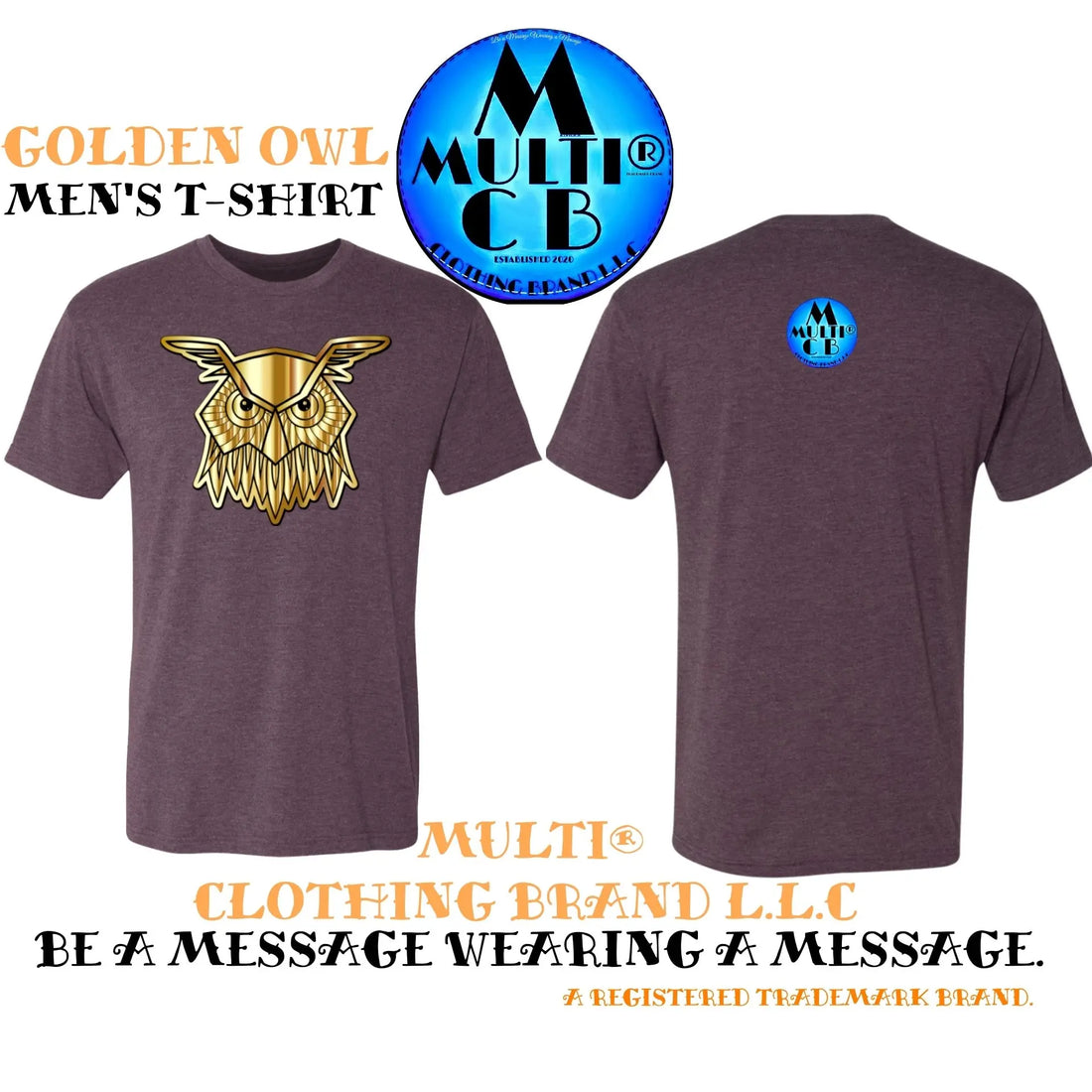
Elevate Your Style with a Vintage T-Shirt: A Guide to Finding the Perfect Fit
The Allure of Vintage T-Shirts In the ever-evolving landscape of fashion, vintage clothing has emerged as a captivating trend, drawing individuals towards its unique charm and timeless appeal. Among the many vintage gems, T-shirts hold a special place, embodying a nostalgic aura that whispers stories of past eras and cultural movements. The appeal of vintage T-shirts lies in their ability to transcend fleeting trends, offering a timeless canvas for personal expression and a connection to the past. Why Vintage T-Shirts? Vintage T-shirts are more than just garments; they are cultural artifacts that encapsulate the spirit of their time. Each faded graphic, worn fabric, and subtle discoloration tell a story, whispering tales of past events, music icons, and cultural touchstones. They offer a glimpse into the past, allowing us to connect with bygone eras and appreciate the evolution of fashion and style. Beyond their historical significance, vintage T-shirts possess an undeniable charm that sets them apart from modern mass-produced apparel. The soft, worn fabric, the subtle fading, and the unique character of each piece create a sense of authenticity and individuality that is hard to replicate. They are a testament to the artistry and craftsmanship of the past, offering a tangible connection to a bygone era. Finding the Perfect Vintage T-Shirt The hunt for the perfect vintage T-shirt can be a thrilling adventure, a journey through time and style. While vintage clothing stores and online marketplaces offer a wealth of options, the key lies in understanding your style and seeking pieces that resonate with your aesthetic. Consider the era, the graphic design, the fabric, and the overall feel of the T-shirt. Introducing the Golden Owl - Men's - TB T-Shirt If you're seeking a vintage T-shirt that seamlessly blends timeless style with modern comfort, look no further than the Golden Owl - Men's - TB T-Shirt. Crafted with meticulous attention to detail, this T-shirt embodies the essence of vintage style, offering a blend of classic design and contemporary comfort. The Art of the Tri-Blend The Golden Owl - Men's - TB T-Shirt is crafted from a luxurious tri-blend fabric, a harmonious combination of 50% polyester, 25% cotton, and 25% rayon. This unique blend creates a fabric that is incredibly soft to the touch, reminiscent of vintage garments, yet remarkably durable and wrinkle-resistant. The tri-blend also imparts a subtle heather look, adding depth and character to the overall aesthetic. A Touch of Vintage Flair The Golden Owl - Men's - TB T-Shirt embodies the spirit of vintage style with its classic silhouette, preshrunk design, and 32 singles construction. This T-shirt is built to last, offering a timeless appeal that transcends fleeting trends. Its soft, comfortable feel makes it perfect for everyday wear, while its classic design allows it to be dressed up or down for various occasions. Beyond the Look The Golden Owl - Men's - TB T-Shirt is not just about aesthetics; it's about the feeling. It's about slipping on a piece of clothing that speaks to your sense of style and embodies the spirit of vintage charm. It's about wearing a piece of history, a reminder of a bygone era, and a testament to the enduring power of classic design. Express Your Individuality Vintage clothing, and particularly vintage T-shirts, offer a unique platform for self-expression. They allow you to showcase your personality, your interests, and your appreciation for the past. The Golden Owl - Men's - TB T-Shirt allows you to embrace the vintage vibe without sacrificing comfort or style. It's a versatile piece that can be effortlessly incorporated into any wardrobe, adding a touch of character and individuality to your everyday looks. Embrace the Vintage Vibe In a world obsessed with fast fashion, vintage clothing offers a breath of fresh air, a reminder of the enduring appeal of timeless style. The Golden Owl - Men's - TB T-Shirt is a testament to this philosophy, embodying the spirit of vintage style with its luxurious fabric, classic design, and durable construction. Embrace the vintage vibe and elevate your wardrobe with this timeless piece.
Learn more
The Power of Storytelling: Why It's Essential for Business Success
The Power of Storytelling: Why It's Essential for Business SuccessIn the digital age, where information is readily available at our fingertips, it's easy to get lost in the noise. Standing out from the crowd and connecting with your audience requires more than just facts and figures. It requires storytelling.Storytelling is the art of using words, images, and other forms of communication to create a compelling narrative that resonates with your audience. It's about weaving together emotions, experiences, and insights to create a connection that goes beyond the superficial.Why Storytelling Matters for BusinessStorytelling is essential for businesses for several reasons: Builds Emotional Connection: Stories evoke emotions, which are powerful drivers of human behavior. By tapping into the emotions of your audience, you can create a deeper connection and build trust. Enhances Brand Identity: Your brand story helps define who you are, what you stand for, and why you exist. It provides context and meaning to your products and services, making them more relatable and memorable. Increases Engagement: Stories are naturally engaging and captivating. They hold our attention and make us want to learn more. In the digital world, where distractions are plentiful, this is essential for keeping your audience engaged. Drives Conversions: Stories can be used to persuade and inspire action. By highlighting the benefits of your products or services and sharing real-life examples of their impact, you can encourage customers to buy or take action. Creates Lasting Impressions: Stories are memorable. They stay with us long after we've heard them, shaping our perceptions and influencing our decisions. Types of Business StorytellingThere are many different types of business stories you can tell, including: Customer Stories: These stories showcase the positive impact of your products or services on real customers. Origin Stories: These stories tell the history of your company and its mission. Employee Stories: These stories highlight the people behind your brand and their passion for what they do. Product Stories: These stories explain the features and benefits of your products or services in an engaging way. Value Stories: These stories demonstrate the value proposition of your brand and how it can solve your customer's problems. Tips for Effective StorytellingHere are some tips for crafting compelling stories that resonate with your audience: Know Your Audience: Understand your target audience's needs, interests, and pain points. Tailor your stories to their specific context. Start with a Hook: Grab attention from the very beginning. Use a compelling question, a surprising fact, or a captivating image. Build a Strong Narrative: Create a clear beginning, middle, and end. Use conflict and resolution to create tension and drive the story forward. Use Vivid Language: Engage your audience with descriptive language that paints a picture in their minds. Be Authentic: Tell stories that are true to your brand and your values. Authenticity builds trust and resonates with customers. Make it Personal: Share stories that connect on an emotional level. Use relatable characters and situations that your audience can identify with. Call to Action: End your stories with a clear call to action that encourages your audience to take the next step. ConclusionStorytelling is a powerful tool that can transform your business. By using stories to connect with your audience, you can build trust, create lasting impressions, and drive conversions. Embrace the power of storytelling and watch your business flourish.
Learn more
The Ultimate Guide to Effective Time Management: Strategies for Productivity and Success
Mastering the Art of Time Management: A Guide to Productivity and Success In today's fast-paced world, time is a precious commodity. Effective time management is no longer a mere suggestion, but a crucial skill for achieving personal and professional success. This comprehensive guide will explore practical strategies and tips to help you make the most of your time, optimize your productivity, and unlock your full potential. Understanding the Importance of Time Management The ability to effectively manage your time is essential for numerous reasons: Increased Productivity: By prioritizing tasks and allocating time wisely, you can accomplish more in less time, leading to significant productivity gains. Reduced Stress and Anxiety: Feeling overwhelmed and behind schedule can contribute to stress and anxiety. Effective time management helps you stay organized and on top of your responsibilities, minimizing these negative feelings. Improved Work-Life Balance: By dedicating specific time slots to work and personal life, you can create a healthier balance, preventing burnout and fostering overall well-being. Enhanced Goal Achievement: Time management empowers you to set clear goals, break them down into manageable steps, and track progress, increasing your chances of success. Key Time Management Strategies 1. Prioritization: Identifying What Matters Most Not all tasks are created equal. Effective prioritization is the cornerstone of time management. Use methods like the Eisenhower Matrix or the Pareto Principle (80/20 rule) to distinguish between urgent, important, and less important tasks. Focus on the most critical tasks first, and delegate or postpone less essential items. 2. Scheduling and Planning: Structuring Your Time Create a daily or weekly schedule that incorporates your most important tasks. Use a planner, calendar app, or a simple to-do list to visualize your schedule and allocate specific time slots for each activity. Be realistic about your capacity and avoid overbooking. 3. Time Blocking: Dedicated Time for Specific Tasks Time blocking is a powerful technique that involves dedicating specific blocks of time for particular tasks. For example, allocate two hours for writing, one hour for emails, and another for meetings. This focused approach minimizes distractions and promotes deeper concentration. 4. Minimizing Distractions: Creating a Focused Environment Distractions are the enemy of productivity. Identify and eliminate distractions that hinder your focus. This may involve turning off notifications, using noise-canceling headphones, or finding a quiet work environment. Consider utilizing apps like Freedom or Focus@Will to block distracting websites and create a focused atmosphere. 5. Delegation: Sharing the Load Don't be afraid to delegate tasks to others, especially if they possess the skills and experience to handle them effectively. Delegation frees up your time for more strategic and impactful tasks. 6. The Pomodoro Technique: Short Bursts of Focused Work The Pomodoro Technique is a time management method that utilizes short intervals of focused work (25 minutes) separated by short breaks (5 minutes). After four Pomodoros, take a longer break (15-20 minutes). This technique promotes sustained focus and reduces mental fatigue. 7. Setting Realistic Goals: Avoiding Overwhelm Set realistic and achievable goals for yourself. Break down large projects into smaller, manageable steps to avoid feeling overwhelmed. Celebrate your progress and acknowledge your achievements along the way. 8. Regular Review and Adjustment: Adapting Your Approach Time management is an ongoing process. Regularly review your schedule, prioritize tasks, and make adjustments as needed. What works best for you may change over time, so stay flexible and adapt your strategies accordingly. Tips for Effective Time Management Avoid Multitasking: Focusing on one task at a time leads to greater efficiency and accuracy. Batch Similar Tasks: Group similar tasks together to streamline your workflow. For example, respond to emails at designated times rather than constantly checking your inbox. Utilize Technology: Take advantage of productivity tools like task management apps, calendar apps, and note-taking software. Take Breaks: Regular breaks are crucial for maintaining focus and preventing burnout. Get up and move around, stretch, or engage in a relaxing activity. Learn to Say No: Don't be afraid to politely decline requests that drain your time and energy. Focus on your priorities and protect your time. Prioritize Sleep: A good night's sleep is essential for optimal cognitive function and productivity. Embrace Mindfulness: Practice mindfulness techniques to improve focus, reduce stress, and enhance your ability to manage time effectively. Conclusion Effective time management is a valuable skill that can significantly impact your productivity, well-being, and overall success. By implementing these strategies and adapting them to your individual needs, you can take control of your time, achieve your goals, and lead a more fulfilling life. Remember, time management is a journey, not a destination. Be patient with yourself, experiment with different techniques, and continuously strive to improve your time management skills. You'll be surprised at how much you can accomplish when you master the art of managing your time wisely.
Learn more